Click the image to continue
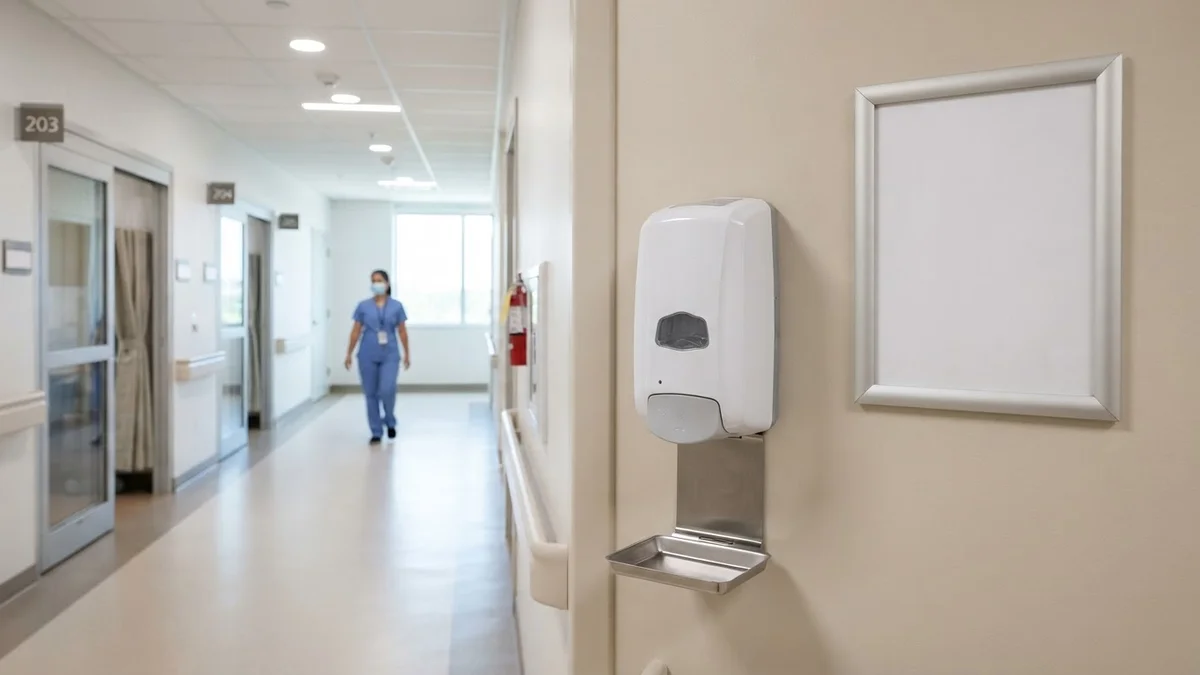
Hospitals treat many sick people at once, so germs can spread more easily than in everyday settings. Infections picked up during a hospital stay are called healthcare-associated infections. Hospitals have strict rules to prevent them, and patients and visitors can play an important part too.
Why Infection Control Matters
Patients in hospital often have weaker immunity because of illness, surgery or medicines. Wounds, drips and catheters can also give germs a way into the body. Preventing infection helps patients recover faster, reduces the need for extra antibiotics and shortens hospital stays.
Hand Hygiene: The Most Important Step
Clean hands are the single most effective way to stop germs spreading. Use soap and water or an alcohol-based hand rub:
- When entering and leaving a patient’s room.
- Before eating and after using the toilet.
- After touching surfaces such as bed rails and door handles.
Patients have every right to politely ask doctors and nurses whether they have cleaned their hands before an examination. Good healthcare workers welcome this reminder.
Advice for Patients
- Do not touch wounds, dressings, drips or catheters unless told to.
- Tell staff if a dressing becomes loose, wet or painful.
- Report fever, redness, swelling or unusual discharge quickly.
- Take antibiotics exactly as prescribed.
- Keep personal items like phones and glasses clean.
Advice for Visitors
- Stay home if you have a cough, cold, fever, vomiting or diarrhoea.
- Follow visiting hours and limits on the number of visitors.
- Do not sit on the patient’s bed; use the chair provided.
- Follow signs about masks, gowns or gloves in isolation rooms.
- Avoid bringing young children to wards unless allowed.
- Check with staff before bringing food or flowers.
Isolation Rooms
Some patients are placed in isolation to protect them or others. A sign on the door shows the precautions needed. Always read it and ask a nurse if you are unsure. These rules are temporary and are there to protect everyone.
Vaccination
Staying up to date with recommended vaccines, such as the seasonal flu vaccine, protects vulnerable patients you might visit. Ask your doctor which vaccines are suitable for you.
Summary Table
| Action | Who |
|---|---|
| Clean hands often | Everyone |
| Report signs of infection | Patients and family |
| Stay away when ill | Visitors |
| Follow isolation signs | Visitors and staff |
Conclusion
Infection prevention is a shared responsibility. By cleaning hands, following hospital rules and speaking up about concerns, patients and visitors help keep wards safe for everyone.
Disclaimer: This article is for general information only and is not a substitute for professional medical advice. Always consult a qualified healthcare provider about your own situation.