Click the image to continue
The outpatient department (OPD) is the part of a hospital where patients see doctors without being admitted. Most people visit an OPD for consultations, follow-ups, minor procedures and tests. OPDs can be busy, but understanding the process can save a lot of time and stress.
Booking an Appointment
Many hospitals now offer appointments by phone, website or app. Booking ahead often reduces waiting time and lets you choose a specific doctor or time slot. Some public hospitals work on a walk-in or token system, where patients are seen in order of arrival. Check the OPD timings and days for the specialist you need, as many doctors only hold clinics on certain days.
Registration
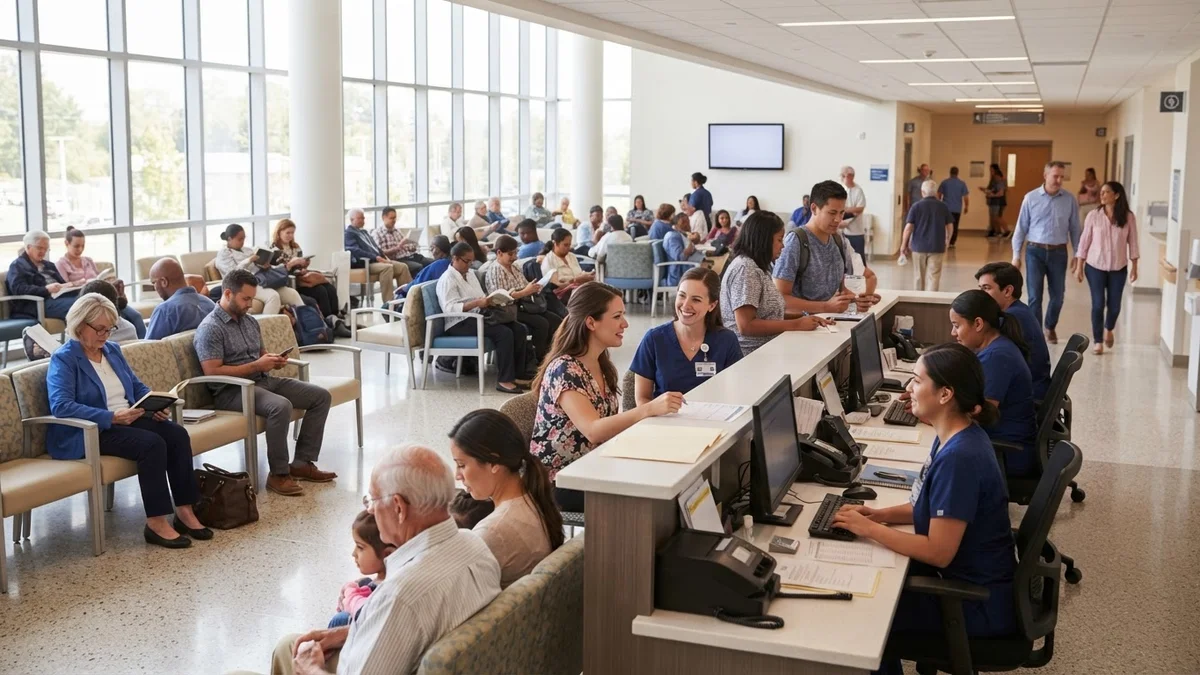
On your first visit you will usually register at a front desk. You may be asked for identification, contact details, insurance or payment information and a short medical history. Many hospitals give you a patient ID number or card. Keep it safe, because it links all your future visits, tests and records.
Waiting and Pre-Consultation Checks
Before you see the doctor, a nurse may measure your weight, blood pressure, pulse and temperature. This saves time during the consultation. Use the waiting time to write down your symptoms, questions and the list of medicines you take.
During the Consultation
- Explain your main problem first and when it started.
- Mention past illnesses, surgeries and allergies.
- Show previous reports and prescriptions.
- Ask what the diagnosis is, what tests are needed and what the treatment plan is.
- Confirm when you should return for follow-up.
After the Consultation
You may be sent for blood tests, scans or to the pharmacy. Ask where each department is and whether reports will come back to the same doctor. Some hospitals allow you to view reports online. If a procedure or admission is recommended, ask about the estimated cost and what preparation is needed.
Tips to Save Time
| Tip | Why it helps |
|---|---|
| Arrive 15–20 minutes early | Registration and vitals take time |
| Carry a folder of reports | Avoids repeated tests |
| Bring a medicine list | Prevents drug interactions |
| Avoid peak hours if possible | Mid-morning is often busiest |
| Bring a companion | Helps remember instructions |
Follow-Up Visits
Follow-up visits are usually shorter. Bring your patient ID and new reports. If your symptoms worsen before the planned date, contact the hospital or seek emergency care rather than waiting.
Conclusion
An OPD visit is easier when you plan ahead, carry your records and prepare questions. These simple habits help both you and your doctor make the most of the consultation.
Disclaimer: This article is for general information only and is not a substitute for professional medical advice. Always consult a qualified healthcare provider about your own situation.