Click the image to continue
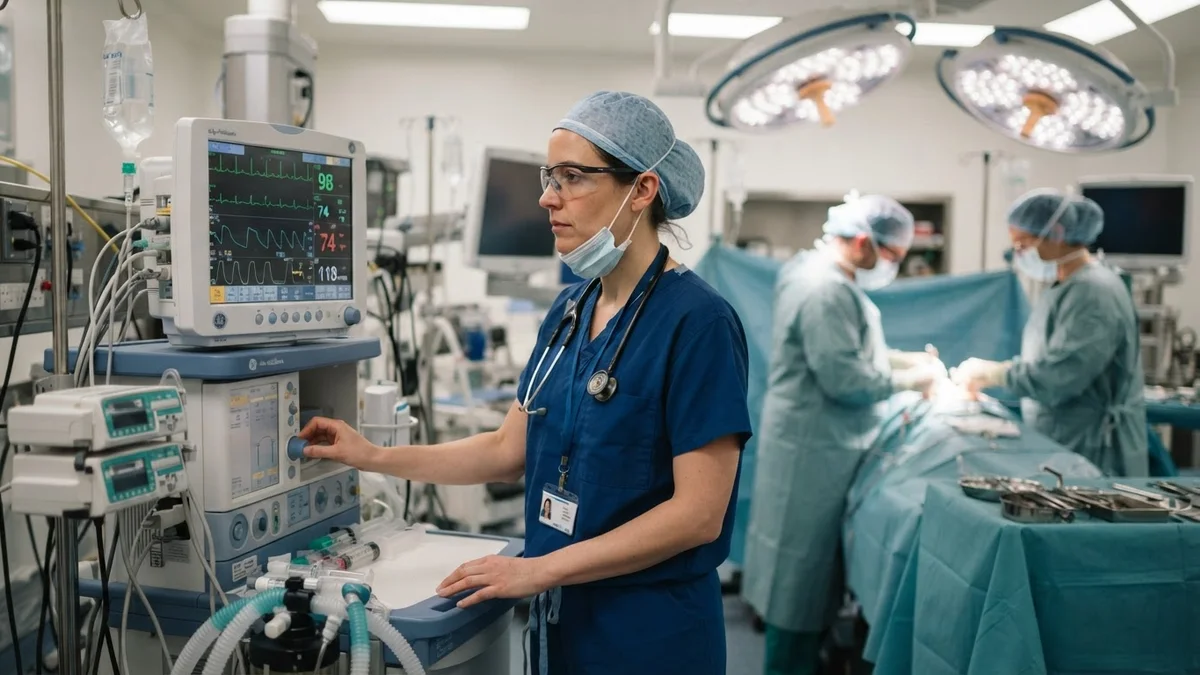
Anaesthesia is what allows modern surgery to be safe and painless. An anaesthesiologist (or anaesthetist) is a specialist doctor who chooses the right type of anaesthesia, monitors you during the operation and manages pain afterwards. Understanding the process can reduce anxiety and help you prepare well.
Types of Anaesthesia
| Type | What it does | Common uses |
|---|---|---|
| Local | Numbs a small area | Stitches, minor skin procedures, dental work |
| Regional | Numbs a larger part, such as from the waist down | Caesarean section, knee and hip surgery |
| Sedation | Makes you relaxed and drowsy | Endoscopy, some eye procedures |
| General | Puts you into a controlled deep sleep | Major abdominal, heart and brain surgery |
The Pre-Anaesthesia Check-Up
Before planned surgery, most hospitals arrange a pre-anaesthesia assessment. The doctor will ask about:
- Heart, lung, kidney and liver conditions.
- Diabetes, high blood pressure and thyroid problems.
- Allergies and previous reactions to anaesthesia.
- Smoking, alcohol use and sleep apnoea or snoring.
- All medicines, including blood thinners and herbal supplements.
- Loose teeth, dentures or difficulty opening the mouth.
Blood tests, an ECG or a chest X-ray may be ordered depending on your age and health.
Fasting Before Surgery
An empty stomach reduces the risk of stomach contents entering the lungs during anaesthesia. You will be given clear instructions about when to stop solid food and when to stop clear fluids. Follow these exactly; if you eat by mistake, tell the team, as the surgery may need to be delayed for your safety.
Medicines
Some medicines should be continued, while others, such as certain blood thinners or diabetes medicines, may need to be paused or adjusted. Never change your medicines without clear instructions from your doctor.
On the Day
- Remove make-up, nail polish, jewellery and contact lenses.
- Bring your medicine list and reports.
- Arrange for an adult to take you home after day surgery.
- Ask any last questions before you go into theatre.
Waking Up and Recovery
After general anaesthesia you will wake up in a recovery area where nurses monitor you. Mild sore throat, nausea, shivering or drowsiness are common and usually short-lived. Tell the nurse about pain so it can be treated early. Do not drive, sign important documents or drink alcohol for at least 24 hours after general anaesthesia or sedation.
Is Anaesthesia Safe?
Modern anaesthesia is very safe thanks to careful assessment, monitoring equipment and trained specialists. Serious complications are rare. Being honest about your health history is the best way to help the team keep you safe.
Conclusion
Preparing for anaesthesia means sharing your full health history, following fasting and medicine instructions and planning your recovery. These steps help your operation go smoothly and safely.
Disclaimer: This article is for general information only and is not a substitute for professional medical advice. Always consult a qualified healthcare provider about your own situation.